Our news
Understanding needs: A Striking lack of knowledge on Autism and nutrition in Europe
Nearly 80% of professionals say they are insufficiently trained
On the occasion of World Autism Awareness Day, the European project APIA reveals an unmistakable finding: 79.4% of professionals and caregivers supporting people with ASD report a lack of knowledge about nutrition.
A widely shared knowledge gap
The figure is striking: 79.4% of respondents — including health professionals, nutrition stakeholders, caregivers, and family members — stated that they do not have sufficient knowledge to properly support a person with autism regarding food and nutrition.
This result comes from a quantitative survey conducted as part of the European APIA project and highlights a key need: to better understand the specific nutritional issues related to autism to improve quality of life and inclusion for the people concerned.
Why nutrition is a crucial issue
Food-related questions are at the heart of daily life for many people with ASD. They can involve:
-
sensory difficulties (textures, smells, colours)
-
high food selectivity
-
a direct impact on health, well-being, and sometimes social participation
Yet this subject remains poorly documented and insufficiently integrated into care pathways.
APIA: A european project to structure and disseminate knowledge
Financed by the Erasmus+ programme, the APIA project aims to strengthen the skills of professionals who support adults with ASD, particularly in nutritional dimensions.
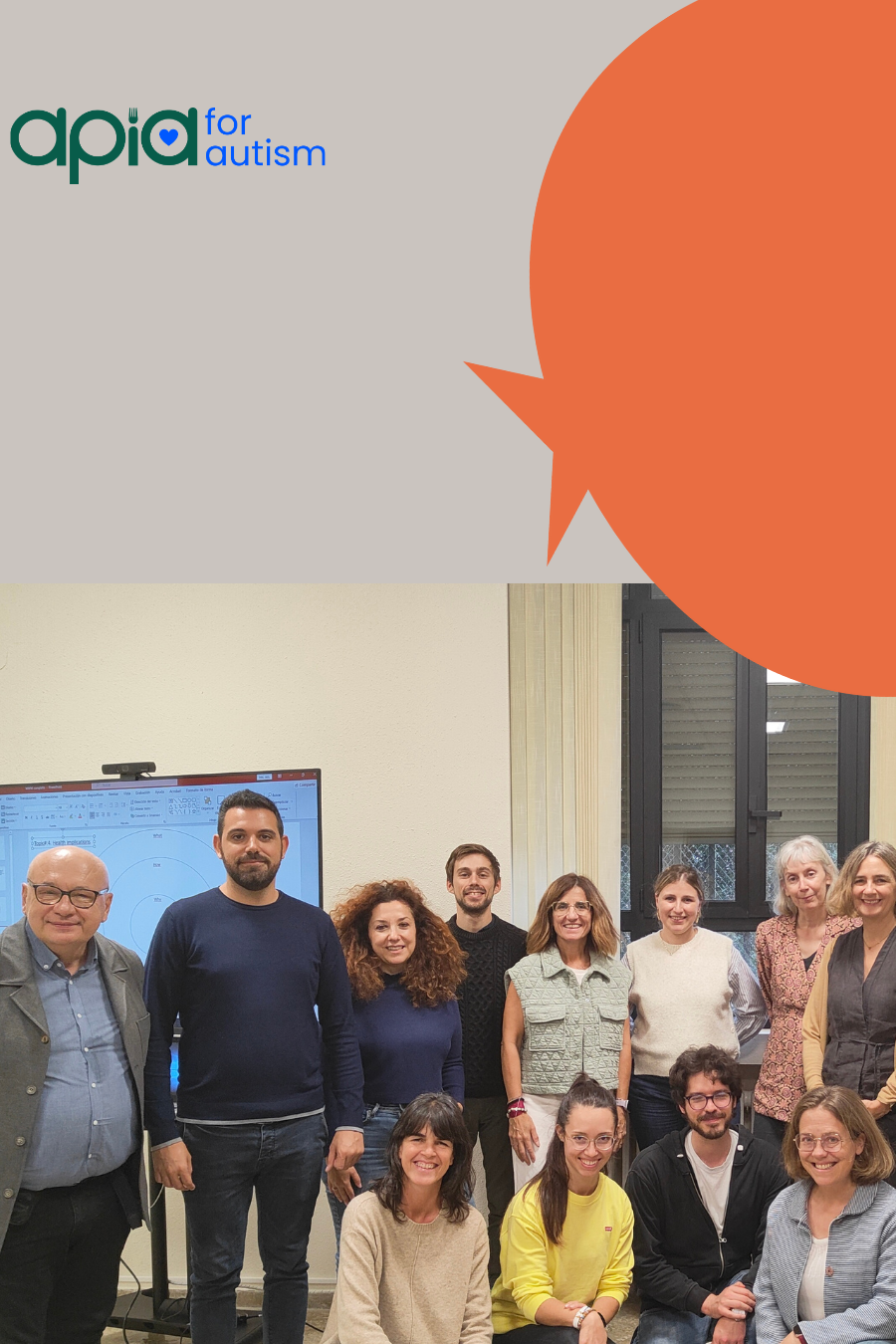
The first stage of the project consisted of evaluating the current level of knowledge and real-world needs. 97 participants responded to the survey carried out with all project partners.
The results show a strong demand for accessible resources, appropriate training, and structured support at the European level.
To discover the first results
Plus d’actualités