Our news
In Zaragoza, APIA partners consolidate a key stage of the project
From the diagnostic phase to the construction of educational tools
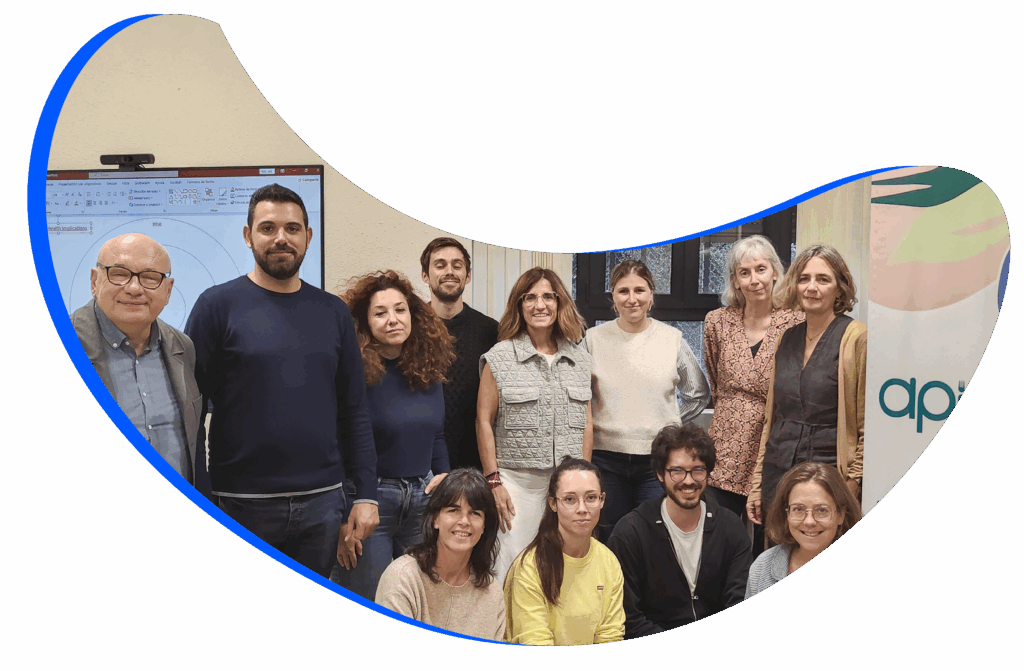
On October 17 and 18, 2024, the partners of the European project APIA met at the University of Zaragoza for their second transnational meeting. These were two days of in-depth discussions, collaborative work, and concrete progress, all serving a shared goal: improving nutritional support for people with autism spectrum disorder (ASD).
A crucial meeting to strengthen the consortium’s momentum
The second transnational meeting brought the entire consortium together around a central objective: to lay the foundations of the project’s theoretical guide by defining its structure and organising the division of tasks among partners.
The meeting aimed to:
-
Strengthen international collaboration by allowing teams to compare their approaches and field feedback
-
Co-construct the priorities of the theoretical guide for professionals, drawing on the consortium’s combined expertise
-
Optimise project management through clear role distribution and harmonised communication for future cooperation across Europe

Concrete advances for the next phase of the project
Partners presented the survey results from their respective four countries — rich material that now forms the basis for the next phase of the project.
This stage allowed them to:
-
Share observed trends and identified needs from the diagnostic phase
-
Initiate the framework of the theoretical guide, a key step in structuring content for professionals and caregivers
-
Assign partners to research content covering the full range of daily nutritional challenges faced by people with ASD
A highlight for team cohesion
Beyond formal work sessions, partners participated in collective activities to reinforce consortium cohesion and encourage open exchanges.
They visited research laboratories at the university, where they took part in situational workshops on sensory overstimulation. This immersive experience helped them better understand sensory experiences of people with ASD, especially those with sensory hypersensitivities, enriching the project’s reflections with a deeper understanding of real-life feeding and nutritional realities.
This atmosphere of trust and collaborative momentum is seen as a true lever for the project’s success. The partners warmly thanked the University of Zaragoza (Unizar) for its hospitality and key role in organising this meeting.